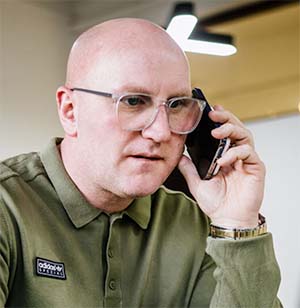


When a groundworks company lost a major contract and faced unpaid invoices, the directors were forced to make tough decisions. Chris Worden explains how they navigated insolvency, protected their personal assets, and found a way forward.
- Business failed due to one major unpaid invoice
- Directors acted quickly to avoid wrongful trading
- HMRC and creditors were owed significant sums
- Pre-pack administration was not viable
- Creditors' Voluntary Liquidation (CVL) was chosen
- Personal guarantees were managed with creditor deals
- Directors avoided bankruptcy and protected their homes
Background: How One Unpaid Invoice Led to Collapse
This groundworks company, run by hardworking directors, thrived until a large client terminated their contract and withheld payment. With cash flow wiped out overnight, the business could not cover running costs or pay creditors, including HMRC.
Debt and Personal Guarantees
The directors had taken out personally guaranteed loans to keep the business afloat. When the company failed, they faced over £500,000 in debt and the risk of personal bankruptcy.
Exploring Rescue Options
- Negotiated with HMRC and suppliers for breathing space
- Considered pre-pack administration, but no viable contracts remained
- Administration was not suitable due to lack of assets and work pipeline
Choosing Creditors' Voluntary Liquidation (CVL)
With no rescue possible, the directors opted for a CVL. This stopped creditor pressure, prevented accusations of wrongful trading, and allowed for an orderly shutdown. Assets were valued and sold, with some bought back by the directors at fair market value.
Managing Personal Guarantees
Chris Worden and his team introduced the directors to a specialist who negotiated with lenders. Instead of bankruptcy, affordable repayment plans were agreed, protecting the directors' homes and mental health.
Key Takeaways
- Act quickly if your business faces sudden cash flow loss
- Seek professional advice to explore all insolvency options
- CVL can provide a legal, safe exit and protect directors
- Personal guarantees can often be negotiated
- Communication with creditors is crucial
Frequently Asked Questions
- What is a Creditors' Voluntary Liquidation (CVL)?
- A CVL is a formal insolvency process where directors voluntarily close a company that cannot pay its debts.
- Can directors be held personally liable for company debts?
- Directors are usually not personally liable unless they have given personal guarantees or traded wrongfully.
- What happens to personal guarantees in liquidation?
- Personal guarantees remain, but lenders may agree to repayment plans instead of pursuing bankruptcy.
- How does liquidation affect HMRC debts?
- HMRC debts are included in the liquidation and may be written off if there are insufficient assets.
- What should I do if my business relies on one major customer?
- Diversify your client base and seek advice early if payment issues arise.
Need confidential advice? Contact our team today for a free, no-obligation chat.