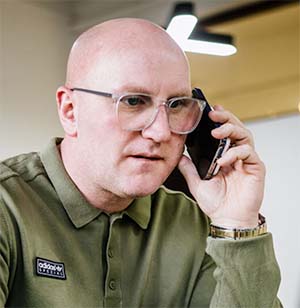


In 2026, UK insolvencies are at a 14-year high. Many directors are unsure how to close an insolvent company safely. Chris Worden explains the right steps to protect yourself and your business.
- Insolvency is determined by cash flow and balance sheet tests.
- Directors must prioritise creditors once insolvent.
- Two main closure routes: voluntary and compulsory liquidation.
- Voluntary liquidation offers more protection for directors.
- Personal guarantees and overdrawn loan accounts are key risks.
- Act early and seek advice to avoid personal liability.
What Does Insolvent Mean?
Insolvency is not about how you feel—it's about the numbers. There are two main tests:
- Cash flow test: Can you pay debts when due? If not, you're insolvent.
- Balance sheet test: Are liabilities greater than assets? If yes, you're insolvent.
If either test applies, your duties as a director change. You must prioritise creditors over yourself.
How to Close an Insolvent Company
There are two main ways to close an insolvent company in the UK:
- Creditors' Voluntary Liquidation (CVL): You choose to close the company. A licensed insolvency practitioner is appointed. This route protects you if you act responsibly.
- Compulsory Liquidation: A creditor (often HMRC) forces closure via a winding up petition. This is riskier and can lead to more severe consequences for directors.
Voluntary Liquidation Process
- Find a licensed insolvency practitioner.
- Hold a board meeting to agree closure.
- 75% of shareholders must approve.
- Creditors are notified and a meeting is held.
- The liquidator sells assets to repay creditors and reviews director conduct.
If you act responsibly, you are usually protected and can start another company unless disqualified.
Compulsory Liquidation Risks
- Triggered by a winding up petition (often from HMRC).
- Bank accounts are frozen and trading becomes impossible.
- The official receiver investigates director conduct.
- Consequences are usually worse than voluntary liquidation.
Key Risks for Directors
- Personal guarantees: These follow you after liquidation.
- Overdrawn director's loan accounts: You may have to repay these personally.
- Wrongful or reckless trading: Continuing to trade while insolvent can lead to personal liability.
- Preference payments: Paying some creditors over others can make you personally liable.
How Are Creditors Paid?
- Secured creditors (with a charge over assets)
- Preferential creditors (including HMRC)
- Unsecured creditors (suppliers, landlords, etc.)
Staff can claim redundancy and unpaid wages through the Redundancy Payments Service. Directors may also qualify in some cases.
How to Protect Yourself
- Act early and seek advice.
- Document everything and be transparent.
- Choose voluntary liquidation over compulsory where possible.
- Work with, not against, the insolvency practitioner.
Key Takeaways
- Understand insolvency tests and your duties as a director.
- Voluntary liquidation is safer than compulsory liquidation.
- Personal guarantees and overdrawn loans are major risks.
- Act quickly and honestly to protect yourself.
- Chris Worden and Director First can help you navigate the process.
FAQs
- What is the difference between voluntary and compulsory liquidation?
- Voluntary liquidation is initiated by directors, offering more control and protection. Compulsory liquidation is forced by creditors through the courts and carries higher risks for directors.
- What happens to personal guarantees after liquidation?
- Personal guarantees remain enforceable. Creditors can pursue you personally for any shortfall after company assets are realised.
- Can I start another company after liquidation?
- In most cases, yes, unless you are disqualified as a director due to misconduct.
- What is an overdrawn director's loan account?
- This is money you owe the company. In liquidation, you may be required to repay it personally.
- How can I protect myself as a director?
- Act early, seek professional advice, document your actions, and choose voluntary liquidation if closure is unavoidable.
Need confidential advice? Contact us today for a free, no-obligation chat about your options.